

Securing high-impact media coverage is no longer about sending mass emails to journalists. It is about controlling the narrative before scrutiny arrives. According to recent industry data, strategic public relations campaigns can generate over 2 billion in total reach when executed with precision and senior-level oversight. This guide details the exact methodology used by top-tier firms to place executives in Forbes, Fox News, and Reuters, ensuring your company builds authority rather than just noise. (Contact Start a Confidential)
Understanding Media Intent and Narrative Intelligence
Most companies fail to get media coverage because they focus on their product rather than the journalist's need for a story. Modern public relations requires understanding how stories form, spread, and harden across digital platforms before they reach mainstream visibility. This concept is known as narrative intelligence.
Narrative intelligence is the systematic monitoring of sentiment and emerging risks to ensure clients are never caught off guard. By analyzing data trends and cultural shifts, strategic PR firms can position a company as the definitive source of truth before a story even begins.
The Shift from Traditional to Strategic PR
Traditional agencies often rely on slow-moving execution and deep but static media relationships. In contrast, strategic public relations combines institutional credibility with the speed of modern digital strategy. This hybrid approach is essential for executives and founders who need to open doors in competitive markets.
When you approach media relations, you are not just asking for a mention. You are offering a solution to a journalist's problem. Whether it is a data-driven insight, a unique human interest angle, or a contrarian viewpoint, the value proposition must be immediate and clear.
Building the Irresistible PR Pitch
A successful pitch is concise, relevant, and tailored. It avoids generic language and instead focuses on the specific angle that aligns with the outlet's recent coverage. For example, securing placement in Forbes or Business Insider requires a narrative that resonates with their specific editorial calendar and audience demographics.
Key Components of a High-Converting Pitch
- The Hook: A one-sentence summary that highlights the news value or urgency.
- The Data: Supporting statistics or exclusive research that adds credibility.
- The Expert Quote: A soundbite from a C-suite executive that provides authority.
- The Call to Action: A clear, low-friction next step for the journalist.
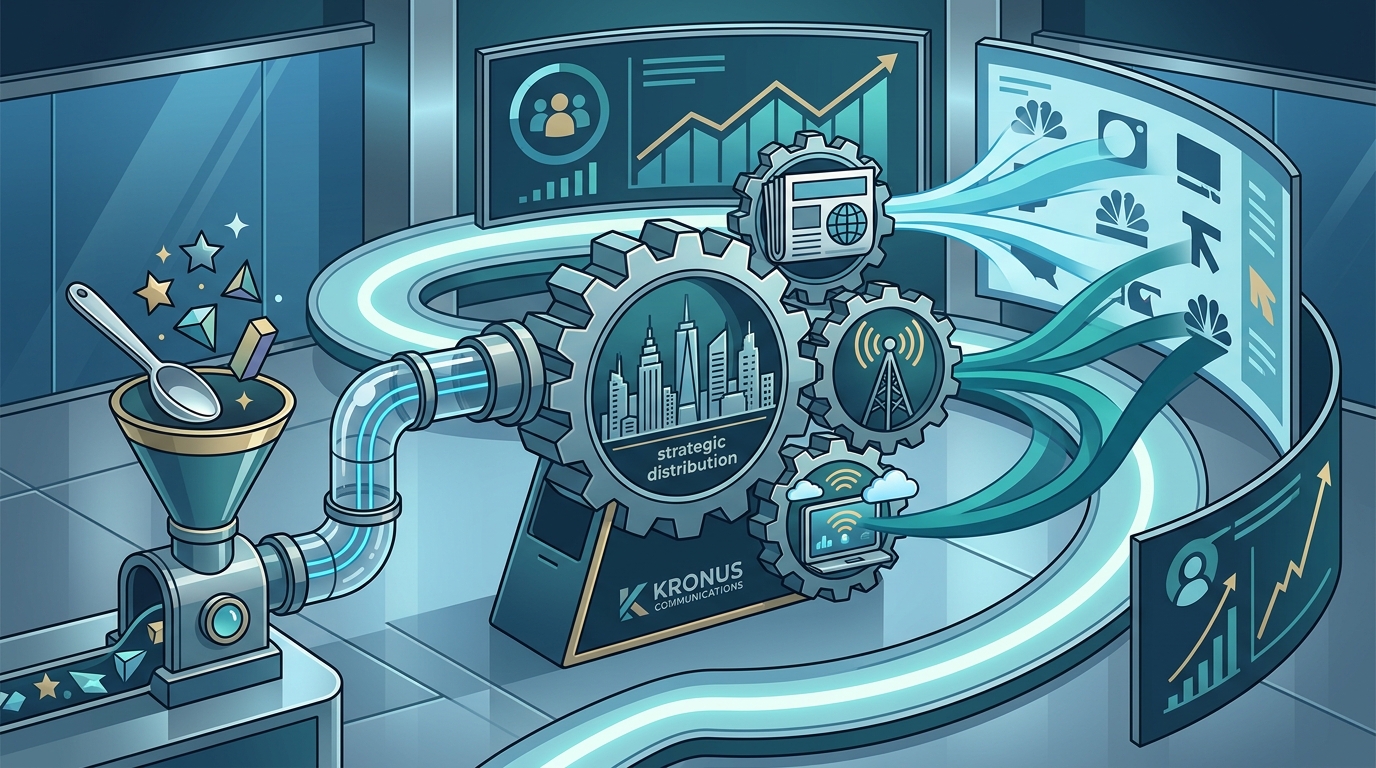
Consider the difference between a standard press release and a strategic pitch. A press release is a broadcast. A pitch is a conversation. Strategic PR firms like Kronus Communications specialize in crafting these conversations to ensure they land with the right editors at the right time.
Leveraging Earned Media Placement
Earned media placement is the gold standard of visibility. Unlike paid advertising, earned media carries the trust of the third-party outlet. This trust translates directly into brand credibility and long-term SEO benefits. By securing placements in top-tier outlets, companies can amplify their message to millions of potential customers without the ongoing cost of ad spend.
Crisis Communications and Reputation Management
Media coverage is not always positive. When scrutiny arrives, whether through investigations, allegations, or adversarial media, the first hours determine the outcome. This is where crisis communications becomes critical.
Crisis communications is the strategic management of information during a negative event to protect reputation and maintain stakeholder trust. It requires senior-led response teams that can assess exposure and coordinate with legal counsel to ensure precision matters more than speed.
Proactive Reputation Defense
The best crisis management is proactive. By building a reservoir of goodwill and positive media coverage, companies create a buffer against negative narratives. This is why continuous public relations efforts are vital. You cannot build a reputation in a day, but you can lose it in an hour.
For high-net-worth individuals and Fortune 500 companies, the stakes are even higher. A single negative headline can impact stock prices, investor confidence, and customer loyalty. Strategic PR firms provide the necessary infrastructure to monitor these risks and respond with calibrated precision.
Digital Reputation Management
In the digital age, search results define perception. What Google says about your company directly affects trust, opportunity, and outcomes. Digital reputation management is the practice of influencing these search results to ensure they reflect the true value of your brand.
This involves a multi-faceted approach including content creation, SEO optimization, and proactive engagement with online platforms. It is not enough to have good press; you must ensure that the digital footprint aligns with your strategic goals.
The Role of Search Algorithms
Search algorithms prioritize fresh, authoritative, and relevant content. By consistently publishing high-quality thought leadership and securing placements in reputable outlets, you signal to search engines that your brand is a leader in your industry. This organic visibility is sustainable and cost-effective over the long term.
For individuals and organizations where visibility carries real consequence, digital reputation management is not optional. It is a core component of business strategy. Explore Digital Reputation Management Services to understand how to protect your online presence.
Measuring Success and ROI
How do you know if your media strategy is working? Traditional metrics like "impressions" are often vanity metrics. Instead, focus on outcomes that drive business value.
Key Performance Indicators for PR
| Metric | Definition | Business Impact |
|---|---|---|
| Share of Voice | Percentage of industry conversation your brand owns. | Measures competitive positioning and market dominance. |
| Referral Traffic | Visitors coming from media placements. | Indicates direct audience interest and engagement. |
| Domain Authority | SEO strength gained from high-quality backlinks. | Improves long-term search engine rankings. |
| Lead Generation | Inquiries attributed to media coverage. | Directly ties PR efforts to revenue growth. |
By tracking these metrics, you can demonstrate the tangible ROI of your public relations efforts. This data is essential for securing ongoing budget and aligning PR with broader business objectives.
Key Takeaways
- Strategic Narrative: Control the story before it controls you by using narrative intelligence to anticipate trends.
- Senior-Led Response: Crisis situations require experienced professionals who understand the intersection of law and communications.
- Digital Footprint: Your search engine results are your modern business card; manage them with the same care as your physical office.
- Quality Over Quantity: One placement in Forbes is worth more than 100 placements in low-tier blogs.
- Proactive Defense: Build reputation during calm waters to survive the storm.
- Global Reach: Strategic PR firms operate across the US, Europe, and the Middle East, ensuring global visibility.
- Confidentiality: High-stakes work demands strict confidentiality and discretion from your PR partner.
Frequently Asked Questions
How long does it take to get media coverage?
Timelines vary based on the complexity of the story and the target outlets. Typically, strategic campaigns begin showing results within 30 to 90 days as relationships are leveraged and narratives are pitched.
What is the difference between PR and advertising?
Advertising is paid placement where you control the message. Public relations is earned placement where journalists validate your message, providing greater credibility and trust.
Do you work with startups?
Yes, strategic PR is vital for startups, especially during funding rounds or product launches. We help growth-stage startups secure visibility that attracts investors and early adopters.
How do you handle negative press?
We employ senior-led crisis communications protocols to assess the situation, coordinate with legal teams, and deploy strategic responses that mitigate damage and protect reputation.
Is digital reputation management part of your service?
Absolutely. We integrate digital reputation management into our core strategy to ensure your online presence aligns with your public relations goals and search engine visibility.
What industries do you serve?
We serve a diverse range of clients including public figures, athletes, luxury brands, private equity firms, healthcare founders, and government relations firms.
How do I contact your team?
You can schedule a confidential call through our website. A senior member of our team will follow up within 24 hours to discuss your specific needs.
Schedule Your Confidential Call
Your reputation is either being built or being left to chance. Do not leave your media strategy to chance. Contact Kronus Communications today to schedule a confidential call and learn how we can help you control the narrative.