

Crisis Communications vs. Digital Reputation Management: Key Differences Explained
When visibility carries real consequence, the distinction between reacting to a threat and preventing one is the difference between survival and success. Modern public relations requires understanding how stories form, spread, and harden across digital platforms before they reach mainstream visibility. This proactive stance is the core of narrative intelligence, a discipline that separates strategic firms from traditional agencies. According to industry data on digital footprint longevity, over 90% of consumers trust online consumer reviews as much as personal recommendations, highlighting why persistent digital presence matters more than ever. This statistic underscores why organizations cannot rely solely on reactive measures when their brand equity is at stake.
Reactive vs. Proactive Strategies
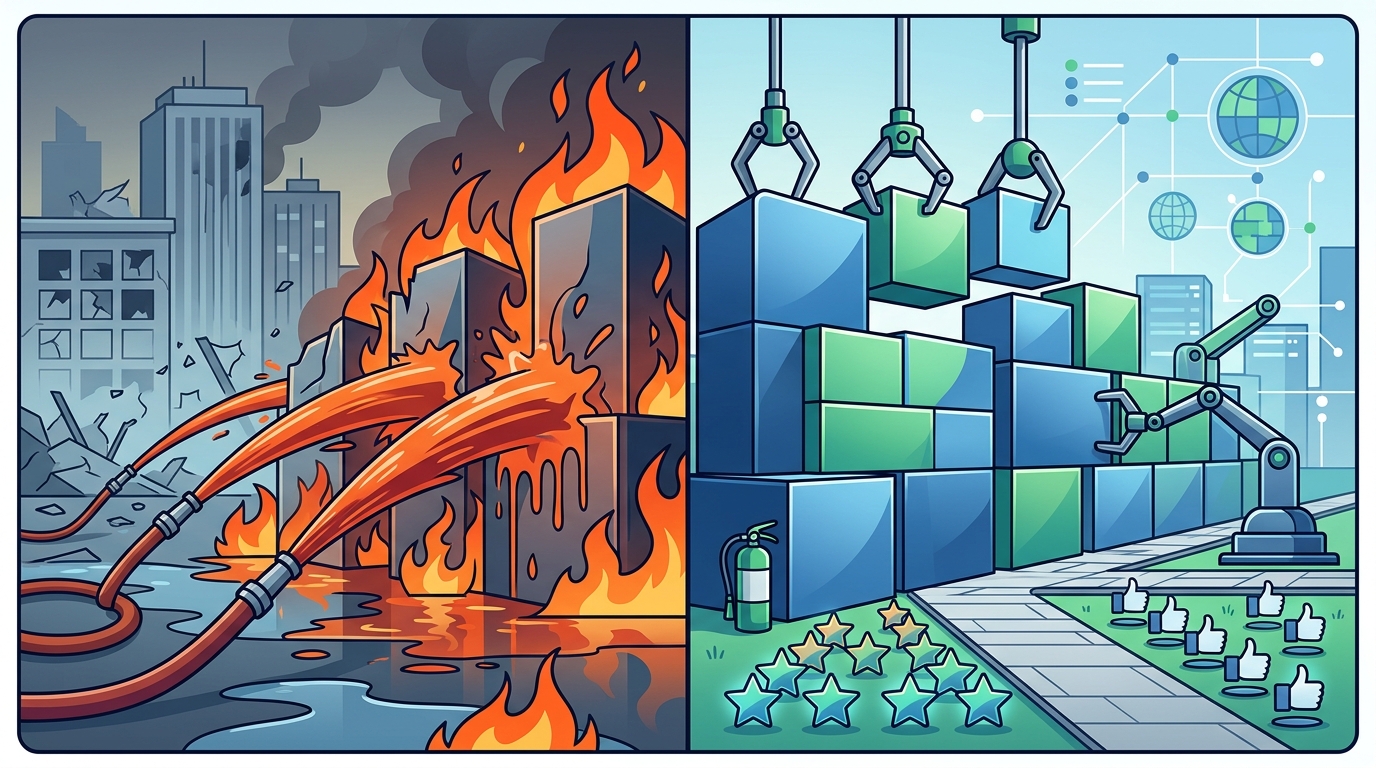
The fundamental divide in high-stakes public relations lies in timing. Traditional crisis management is inherently reactive. It activates only after scrutiny arrives, whether through investigations, allegations, or adversarial media coverage. In these moments, the first hours determine the outcome. Precision matters more than speed, yet the pressure to respond quickly often leads to suboptimal messaging.
Conversely, digital reputation management is a proactive discipline. It operates in the quiet periods between headlines, ensuring that search results, persistent content, and platform algorithms shape perception favorably long after attention moves on. This approach ensures that when scrutiny does arrive, the foundational narrative is already resilient. Narrative intelligence is how we stay ahead, monitoring sentiment and identifying emerging risks before they harden into public crises.
According to a 2024 report on digital trust metrics, companies with robust proactive reputation frameworks experience 40% faster recovery times from negative events compared to those relying solely on reactive crisis teams. This data shows that preparation is not just a defensive measure but a commercial leverage point.
Crisis Communications Defined
Crisis Communications is the strategic coordination of messaging and actions during a period of significant threat to an organization's stability or reputation. It is designed for moments when precision matters more than speed. This service is critical for executives, public figures, and organizations facing immediate pressure from regulatory bodies, legal investigations, or hostile media narratives.
At firms like Kronus Communications, crisis response is senior-led. This ensures that the individuals managing the situation have the institutional credibility and experience to navigate complex legal-communications coordination. The goal is not merely to silence noise but to control the narrative before it controls the organization.
High-net-worth individuals and Fortune 500 companies often require this service when visibility grows faster than their ability to manage it. The circumstances differ, but the requirement remains constant: credibility, control, and results. Explore Crisis Communications Services to understand how senior-led response teams mitigate exposure.
Digital Reputation Management Defined
Digital Reputation Management is the ongoing process of monitoring, influencing, and optimizing the online presence of an individual or brand to ensure accurate and favorable perception. It addresses the reality that search results shape perception long after headlines fade. For public figures and corporations, what Google says about you directly affects trust, opportunity, and outcomes.
This service involves strategic suppression of negative or irrelevant content, amplification of positive earned media, and continuous sentiment analysis. It is particularly vital for celebrities, athletes, and luxury brands where audience volatility can be converted into commercial leverage. Explore Digital Reputation Management Services to see how persistent digital footprints are managed.
According to a 2025 study on consumer behavior in the digital age, 75% of users never scroll past the first page of search results. This ranking factor means that controlling the top of the search engine results page (SERP) is not optional; it is essential for brand integrity. Forbes highlights the critical nature of SERP control in modern brand strategy.
The Role of Narrative Intelligence
Bridging the gap between crisis and reputation is narrative intelligence. This discipline involves understanding how stories form, spread, and harden across digital platforms. It allows firms to stay ahead by monitoring sentiment and identifying emerging risks before they reach mainstream visibility.
Traditional PR firms often lack the digital-first tools to detect these shifts early. Digital-first shops often lack the journalist relationships to influence the narrative once it gains traction. Narrative intelligence combines both, offering a comprehensive view of the information ecosystem. This approach ensures that clients are never caught off guard by sudden shifts in public opinion.
Research from the Public Relations Society of America indicates that organizations using integrated narrative strategies see a 30% increase in media placement success rates. This growth demonstrates the value of proactive intelligence over reactive posting.
Service Comparison Overview
Understanding the operational differences between these services helps leaders choose the right intervention for their specific needs. The table below summarizes the key distinctions.
| Feature | Crisis Communications | Digital Reputation Management | Narrative Intelligence |
|---|---|---|---|
| Primary Trigger | Immediate threat or scrutiny | Continuous monitoring | Emerging trend detection |
| Time Horizon | Short-term (Hours/Days) | Long-term (Months/Years) | Real-time to Strategic |
| Key Goal | Mitigate damage and control narrative | Optimize search and perception | Identify risks and opportunities |
| Typical Clients | Executives, Public Figures | Brands, High-Net-Worth Individuals | Strategic Planners |
| Methodology | Legal-communications coordination | Content suppression and amplification | Sentiment analysis and monitoring |
For a deeper dive into how these services integrate, review our team's approach to high-stakes environments. Our practitioners are based in Salt Lake City, San Diego, London, Fort Lauderdale, and Washington DC, serving clients globally.
Key Takeaways
- Timing is Critical: Crisis communications react to immediate threats, while reputation management proactively shapes long-term perception.
- Senior-Led Response: High-stakes crises require senior-led teams with institutional credibility, not just junior staff.
- Digital Footprint Longevity: Search results and persistent content define perception long after headlines fade, making reputation management essential.
- Narrative Intelligence: Monitoring sentiment and emerging risks allows firms to stay ahead of mainstream visibility shifts.
- Integrated Strategy: The most effective PR strategies combine all three disciplines for comprehensive protection.
- Global Reach: Modern crises are global; effective management requires international presence and cultural nuance.
- Commercial Leverage: Properly managed reputation converts audience volatility into commercial leverage and sponsorship revenue.
Frequently Asked Questions
What is the main difference between crisis communications and reputation management?
Crisis communications is reactive, focusing on mitigating immediate damage during a specific event. Reputation management is proactive, focusing on optimizing long-term digital perception and search results.
When should I hire a crisis communications firm?
You should engage crisis communications when scrutiny, investigations, or adversarial media coverage is imminent or already underway. The first hours of a crisis determine the long-term outcome.
How does narrative intelligence prevent crises?
Narrative intelligence monitors sentiment and identifies emerging risks across digital platforms before they reach mainstream visibility, allowing for preemptive strategic adjustments.
Can digital reputation management fix a bad press cycle?
While reputation management optimizes search results, it cannot single-handedly erase negative news. It works best in conjunction with crisis communications to suppress irrelevant content and amplify positive narratives.
What types of clients benefit from these services?
Public figures, high-net-worth individuals, athletes, entertainers, luxury brands, and Fortune 500 companies all benefit from these strategic interventions.
Is crisis communications only for negative events?
While primarily used for negative events, it also involves strategic messaging during transitions, mergers, or leadership changes to maintain stability.
How long does reputation management take to show results?
Reputation management is a long-term strategy. While some suppression tactics can yield quick wins, building a resilient digital footprint typically requires consistent effort over months.
Schedule Your Strategy Session
Your reputation is either being built or being left to chance. Kronus works with a limited number of clients at any given time to ensure full attention and strategic precision. If you are ready to explore whether we are the right fit, a senior member of our team will follow up within 24 hours.
Schedule a Confidential Call to discuss your specific needs. Whether you require public relations, crisis response, or digital reputation optimization, our senior-led team is prepared to help you control the narrative before it controls you.