

Selecting the Right Reputation Management Partner After a Scandal
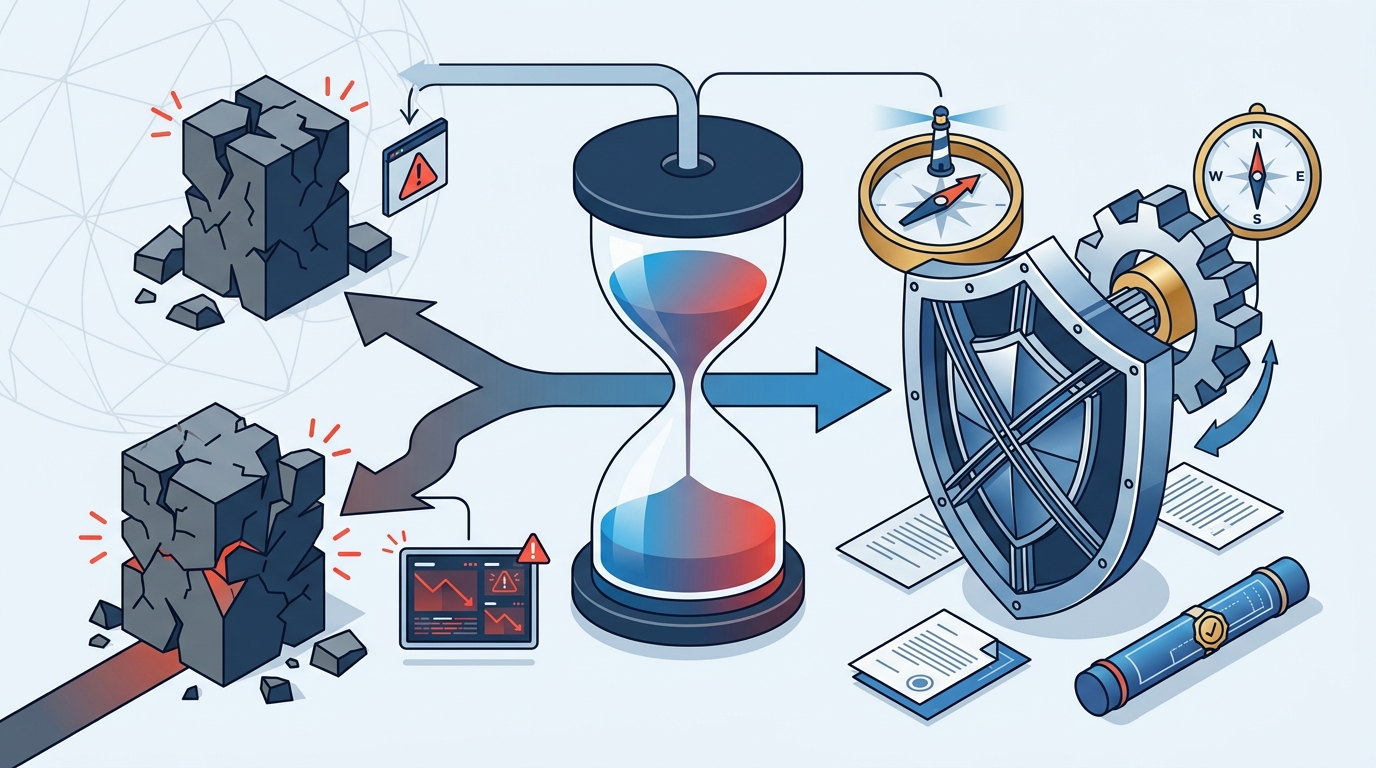
When a public scandal erupts, the window to control the narrative shrinks to hours, not days. According to recent industry data, organizations that fail to respond within the first 24 hours of a crisis see a 40% higher likelihood of long-term reputational damage compared to those with immediate, strategic intervention. This statistic underscores why the choice of partner is not merely administrative but existential. You are not looking for a vendor; you are looking for a strategic shield that operates with the same urgency and discretion as your internal legal team. (About Kronus Senior Led)
Why Internal Teams Often Fail in High-Stakes Crises
Many executives assume that their internal communications or legal departments can handle a sudden scandal. While legal teams are essential for liability mitigation, they are rarely trained in narrative shaping. Legal advice focuses on what can be said without incrimination, whereas crisis communications focuses on what must be said to preserve trust. This disconnect often leads to statements that are legally sound but emotionally tone-deaf.
Furthermore, internal teams lack the insulated distance required for objective decision-making. When scrutiny arrives, emotional bias can cloud judgment. An external partner provides the necessary detachment to assess exposure accurately and coordinate a response that prioritizes precision over speed. This separation is critical when dealing with adversarial media or regulatory pressure.
Crisis Communications vs. Standard Public Relations
It is a common misconception that standard public relations (PR) can effectively manage a scandal. The two disciplines require fundamentally different operational frameworks. Standard PR is proactive, focusing on building authority and opening doors through earned media placement. Crisis communications is reactive and defensive, focusing on containment and narrative control during moments of intense pressure.
Crisis Communications is the strategic coordination of messaging during high-stakes events to mitigate reputational damage and preserve stakeholder trust. This definition highlights the defensive nature of the work. In contrast, Narrative Intelligence is the proactive monitoring and analysis of digital sentiment to identify emerging risks before they reach mainstream visibility. The best partners offer both, ensuring you are prepared for the storm while managing the aftermath.
Key Evaluation Criteria for Selecting a Partner
Choosing the right firm requires looking beyond marketing claims. You must evaluate their operational capacity, senior involvement, and historical performance in similar high-stakes environments. The following criteria serve as a baseline for due diligence.
1. Senior-Led Execution
Ensure that the firm assigns senior practitioners to your account. Junior staff may have the time, but they lack the institutional knowledge required to navigate complex regulatory or media landscapes. A senior-led team understands the nuance of high-net-worth individual dynamics and corporate governance.
2. Global Reach and Media Relationships
Scandals rarely stay local. Your partner must have established relationships with major outlets such as Forbes, Fox News, Reuters, and Business Insider, as well as international trade publications. The ability to secure placements in diverse markets, including the Middle East and Europe, is crucial for global brands.
3. Digital Reputation Infrastructure
Modern crises are amplified by search algorithms and persistent digital content. A partner must offer robust digital reputation management services that address search results, platform algorithms, and persistent negative content. This is not just about suppression; it is about strategic visibility management.
Comparing Service Delivery Models
Different firms approach crisis management with varying degrees of integration. Understanding these models helps you align with a partner that fits your specific operational needs.
| Service Model | Primary Focus | Best For | Integration Level |
|---|---|---|---|
| Traditional PR Agency | Earned media placement and thought leadership | Proactive brand building and standard visibility | Low to Medium |
| Specialized Crisis Firm | Immediate response, exposure assessment, and legal-communications coordination | High-stakes scandals, investigations, and adversarial media | High |
| Digital-First Reputation Shop | Search engine optimization and content suppression | Long-term digital footprint management | Medium |
| Full-Service Hybrid | Integration of crisis response, narrative intelligence, and digital reputation | Comprehensive protection for executives and corporations | Very High |
A hybrid approach is often the most effective. By combining the speed of a specialized crisis firm with the long-term strategic vision of a full-service agency, you ensure that immediate threats are neutralized while future visibility is secured. This is the model employed by firms like Kronus Communications, which bridges the gap between traditional credibility and modern digital strategy.
Critical Red Flags to Avoid
Not all reputation management firms are equipped to handle high-stakes environments. Be wary of the following warning signs during your selection process.
- Guaranteed Outcomes: Any firm promising guaranteed media placements or guaranteed suppression of search results is likely engaging in unethical or ineffective practices. Reputation management is about influence, not absolute control.
- Lack of Confidentiality Protocols: Your crisis is sensitive. If a firm cannot demonstrate strict confidentiality measures and secure communication channels, they are a liability.
- Generic Playbooks: Avoid firms that rely on one-size-fits-all templates. Every scandal is unique, requiring a tailored narrative strategy based on specific stakeholder concerns.
- Slow Response Times: In a crisis, time is the enemy. If a firm cannot commit to a 24-hour response window, they are not prepared for the immediacy of modern media cycles.
Key Takeaways
- Speed Matters: Organizations responding within 24 hours see significantly lower long-term reputational damage.
- Senior Involvement: Ensure your partner assigns senior practitioners, not junior staff, to your account.
- Global Capability: Verify the firm's ability to manage narratives across international markets, including Europe and the Middle East.
- Digital Integration: The partner must offer both crisis communications and digital reputation management services.
- Confidentiality: Strict confidentiality protocols are non-negotiable for high-net-worth individuals and corporations.
- Hybrid Approach: Combining crisis response with narrative intelligence provides the most robust protection.
- Proven Track Record: Look for firms with experience working with Fortune 500 companies, athletes, and public figures.
Frequently Asked Questions
How quickly should I engage a reputation management firm after a scandal breaks?
Immediate engagement is critical. The first 24 hours are decisive in shaping public perception. Delaying engagement allows negative narratives to harden, making recovery significantly more difficult and expensive.
What is the difference between crisis communications and digital reputation management?
Crisis communications focuses on immediate response to active threats, such as adversarial media or regulatory investigations. Digital reputation management focuses on long-term control of search results and online content. Both are essential for comprehensive protection.
Can a PR firm handle legal issues during a scandal?
No. PR firms do not provide legal advice. However, effective crisis communications partners coordinate closely with legal teams to ensure that public messaging aligns with legal strategy without compromising confidentiality or liability positions.
How do I verify a firm's experience with high-stakes crises?
Request case studies that demonstrate specific outcomes, such as increases in positive mentions or successful media placements in major outlets. Look for firms that have worked with globally recognized public figures and major corporations.
Is reputation management only for celebrities and executives?
No. Fortune 500 companies, startups, healthcare founders, and government relations firms all require reputation management. Any entity with public visibility is susceptible to scrutiny and benefits from strategic protection.
What is narrative intelligence and why is it important?
Narrative intelligence is the proactive monitoring of digital sentiment to identify emerging risks before they become mainstream crises. It allows organizations to stay ahead of the story rather than reacting to it after it has gained traction.
How much does crisis communications services typically cost?
Costs vary based on the scope and duration of the engagement. High-stakes crises often require retainer-based models or project-based fees that reflect the senior-level expertise and immediate availability required. It is best to schedule a confidential call to discuss specific needs.
Secure Your Strategic Advantage
Reputation is built over years but can be eroded in moments. Do not leave your organization's future to chance. If you are facing scrutiny, investigations, or adversarial media coverage, you need a partner who operates with precision and discretion. Schedule a Confidential Call with a senior member of the Kronus Communications team today. We work with a limited number of clients to ensure full attention and strategic depth. Your reputation is either being built or being left to chance. Take control now.