
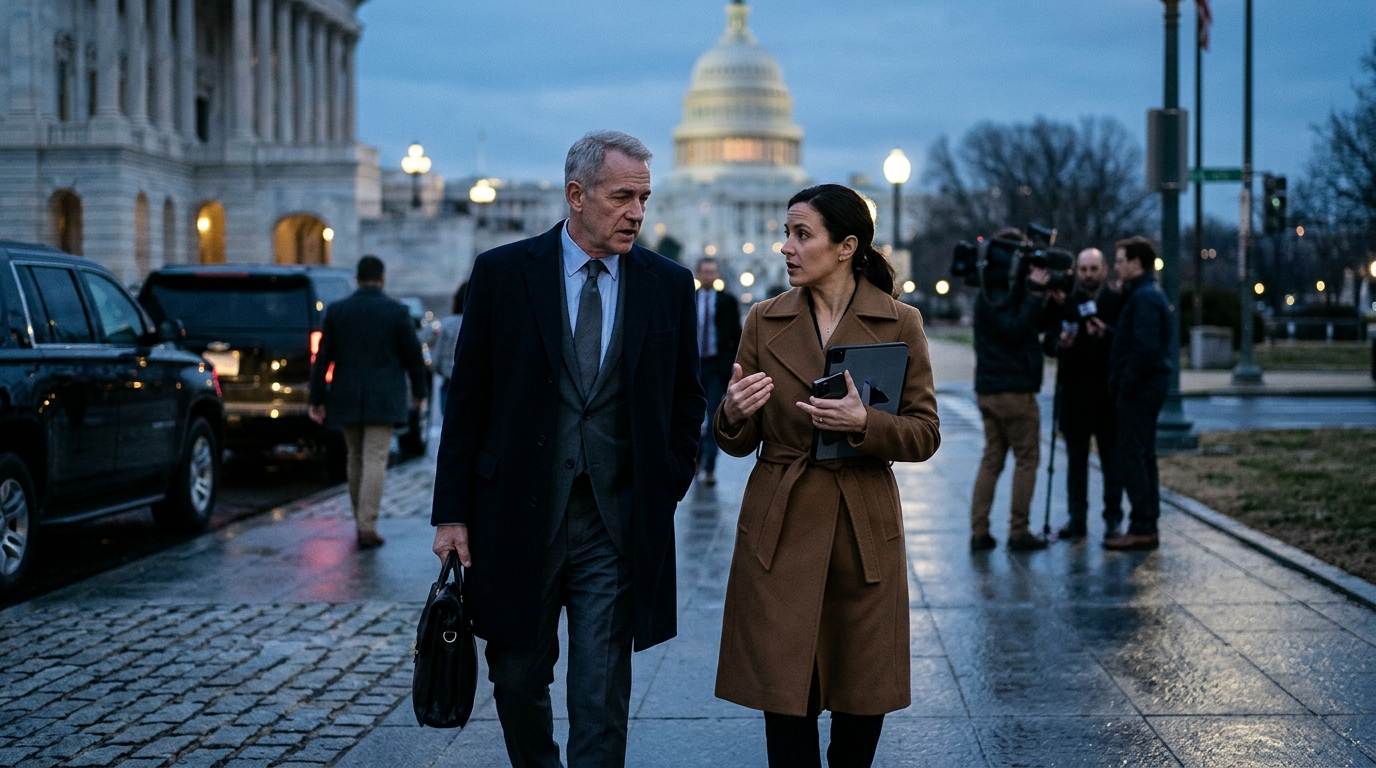
Executives in Washington DC must treat the first hours of a crisis as a decisive window for narrative control. The capital's dense media ecosystem means that a single misstep can amplify quickly across trade press, national outlets, and digital platforms. Kronus Communications advises leaders to prioritize rapid assessment, coordinated legal communication, and clear stakeholder messaging before public statements are released. This approach helps organizations maintain credibility while navigating the unique pressures of the nation's capital.
The Speed of the DC Media Ecosystem
Washington DC operates on a compressed news cycle that leaves little room for hesitation. Journalists in the capital often work under tight deadlines, and breaking news can spread from a single source to national coverage within minutes. Executives must understand that the first narrative to gain traction often sets the tone for the entire crisis response. This speed requires a pre-planned communication strategy that can be activated immediately when an issue arises.
The density of media professionals in DC means that executives are rarely the only ones speaking. Competitors, industry peers, and advocacy groups may all be vying for attention during the same period. A well-prepared spokesperson can distinguish their organization's message from the noise. This distinction is critical for maintaining trust with key stakeholders who are monitoring the situation closely.
Coordinating with Legal Counsel
Legal and communications teams must work in tandem from the very first hour of a crisis. In Washington DC, where regulatory and legal scrutiny is intense, every statement carries potential legal implications. Executives should establish a clear protocol for how legal counsel and communications staff will review and approve public statements. This coordination ensures that the message is both accurate and legally sound.
Kronus Communications emphasizes that crisis communications is not a substitute for legal advice. The firm works alongside legal counsel to ensure that messaging aligns with legal strategy. This partnership allows executives to speak with confidence while protecting the organization from unnecessary liability. The goal is to provide clear, factual information without making admissions that could be used against the organization in legal proceedings.
Managing Stakeholder Expectations
Stakeholders in Washington DC, including investors, partners, and government officials, expect transparency and accountability. Executives must tailor their messaging to address the specific concerns of each stakeholder group. A one-size-fits-all approach often fails to resonate with the diverse audiences in the capital. By segmenting communication efforts, leaders can address the unique needs of different groups while maintaining a consistent core message.
Employee communication is also a critical component of crisis management in DC. Internal teams need clear guidance on how to handle inquiries and what information they can share. This internal alignment prevents mixed messages that could undermine the organization's public stance. Kronus Communications helps leaders develop internal communication plans that keep employees informed and aligned with the broader crisis response strategy.
Reputation Recovery and Long-Term Strategy
Crisis management does not end when the headlines fade. Executives must plan for the long-term recovery of their organization's reputation. This involves monitoring ongoing media coverage and addressing any lingering negative narratives. A structured recovery plan helps rebuild trust with stakeholders and restores the organization's credibility in the eyes of the public.
Kronus Communications provides ongoing monitoring and reporting to track the organization's digital and media presence. This continuous oversight allows leaders to identify and address new issues before they escalate. By maintaining a proactive approach to reputation management, executives can ensure that their organization remains resilient in the face of future challenges.

Key Takeaways
- The first hours of a crisis in Washington DC are critical for establishing a clear and credible narrative.
- Legal and communications teams must coordinate closely to ensure that public statements are both accurate and legally sound.
- Stakeholder communication should be tailored to address the specific concerns of different groups, including employees, investors, and government officials.
- A structured recovery plan is essential for rebuilding trust and restoring credibility after the initial crisis has passed.
- Ongoing monitoring of media and digital presence helps identify and address new issues before they escalate.
- Executives should work with experienced crisis communications professionals who understand the unique dynamics of the Washington DC media ecosystem.
Frequently Asked Questions
How fast should an executive respond to a media inquiry during a crisis?
Executives should respond as quickly as possible, ideally within the first hour of a crisis. In Washington DC, the speed of the news cycle means that delays can allow negative narratives to take hold. A rapid, coordinated response helps maintain control over the story and demonstrates accountability to stakeholders.
Should executives speak to the media directly during a crisis?
Executives should only speak to the media if they are fully prepared and have coordinated with legal counsel. In many cases, it is better to designate a trained spokesperson to handle media inquiries. This approach ensures that the message is consistent and legally sound, reducing the risk of missteps that could escalate the crisis.
How can executives prepare for a crisis before it happens?
Executives should develop a comprehensive crisis communication plan that includes scenario planning, spokesperson training, and clear protocols for legal coordination. Regular drills and updates to the plan help ensure that the team is ready to respond effectively when a crisis occurs. This preparation is especially important in Washington DC, where the potential for scrutiny is high.
What role does digital reputation play in crisis management in DC?
Digital reputation is a critical component of crisis management in Washington DC. Negative content that surfaces in search results or on social media can undermine an organization's credibility. Executives should monitor their digital presence and take steps to address harmful content, whether through removal, suppression, or outranking with positive information.
How does Kronus Communications support executives in a crisis?
Kronus Communications provides senior-led crisis communications support, including rapid assessment, statement drafting, media handling, and legal coordination. The firm works alongside executives and their legal counsel to ensure that the crisis response is both effective and legally sound. This partnership helps leaders navigate the complex media landscape of Washington DC with confidence.
Conclusion
Managing a crisis with media in Washington DC requires a strategic, coordinated approach that prioritizes speed, clarity, and legal alignment. Executives must be prepared to act quickly while ensuring that their messaging is accurate and consistent. Kronus Communications offers the expertise and experience needed to navigate these challenges, helping leaders protect their reputation and maintain trust with key stakeholders. To plan your crisis response strategy, .