
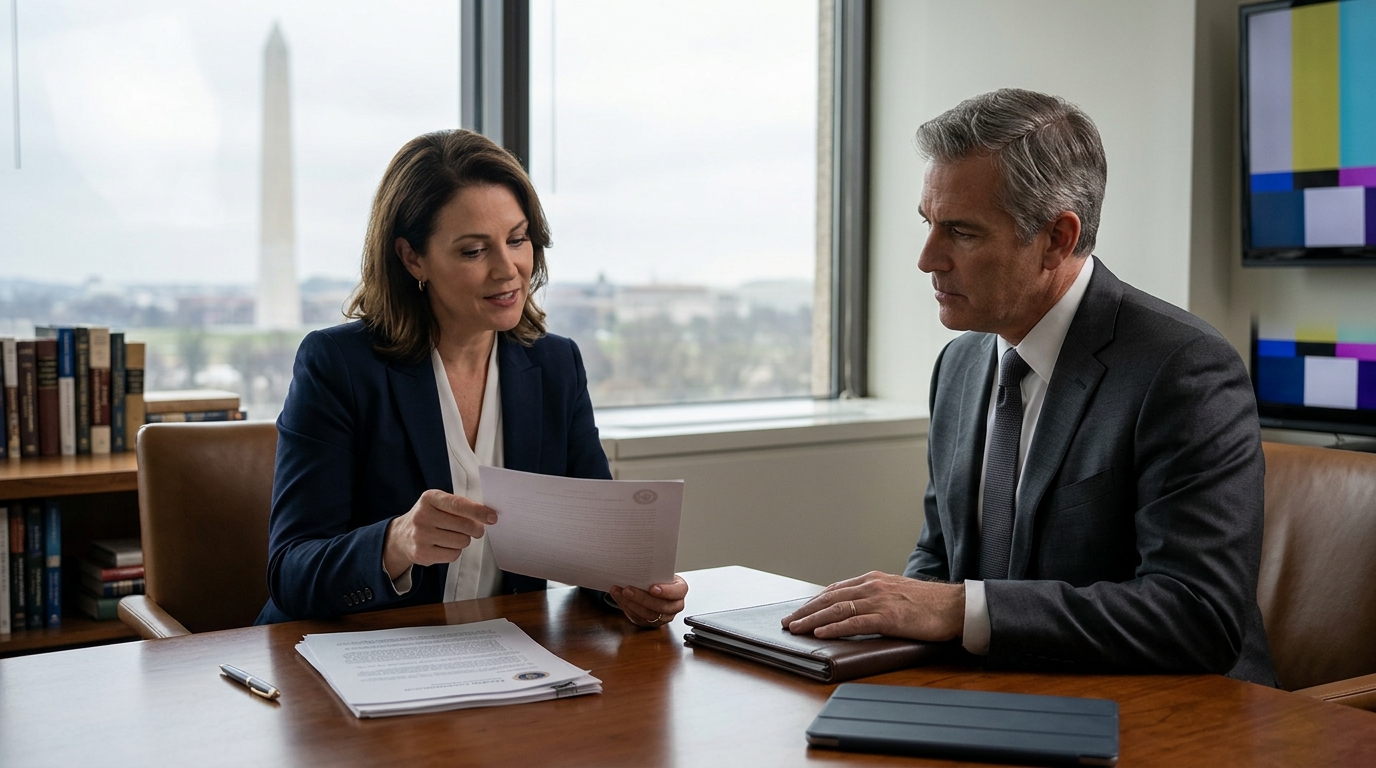
Washington DC Crisis Communications for Government Investigations
When a government investigation triggers media fallout, the first 24 hours determine the long-term narrative. Kronus Communications provides senior-led crisis communications in Washington DC, helping executives and organizations manage congressional inquiries and federal scrutiny. This guide covers how to select a DC-based firm, navigate government investigations, and handle congressional inquiries without compromising legal or reputational standing.
Selecting a DC Crisis Communications Firm
Choosing the right partner in Washington DC requires more than checking for a local office. The firm must understand the specific dynamics of federal oversight, legislative timelines, and the media ecosystem surrounding the Capitol. Crisis communications is the strategic management of public response during high-stakes events that threaten an organization's reputation or operational stability. In DC, this discipline intersects with legal compliance, political strategy, and rapid media response.
Senior Leadership and Institutional Credibility
Many agencies operate with junior account managers who lack the institutional credibility to speak with senior government officials or major news anchors. A senior-led team ensures that the people assessing the situation are the same people executing the response. Kronus Communications operates with a senior-led team of specialists across public relations, crisis communications, and narrative intelligence. This structure eliminates the risk of information loss during handoffs, which is critical when a story is moving quickly.
Media Relationships and Strategic Placement
Effective crisis management in DC relies on established relationships with journalists who cover government and policy. These relationships allow for proactive communication rather than reactive damage control. The firm must be able to place your message in the right outlets, at the right time, to shape the narrative before it hardens. Strategic public relations capabilities are essential for maintaining visibility and credibility during and after a crisis.
Geographic and Operational Reach
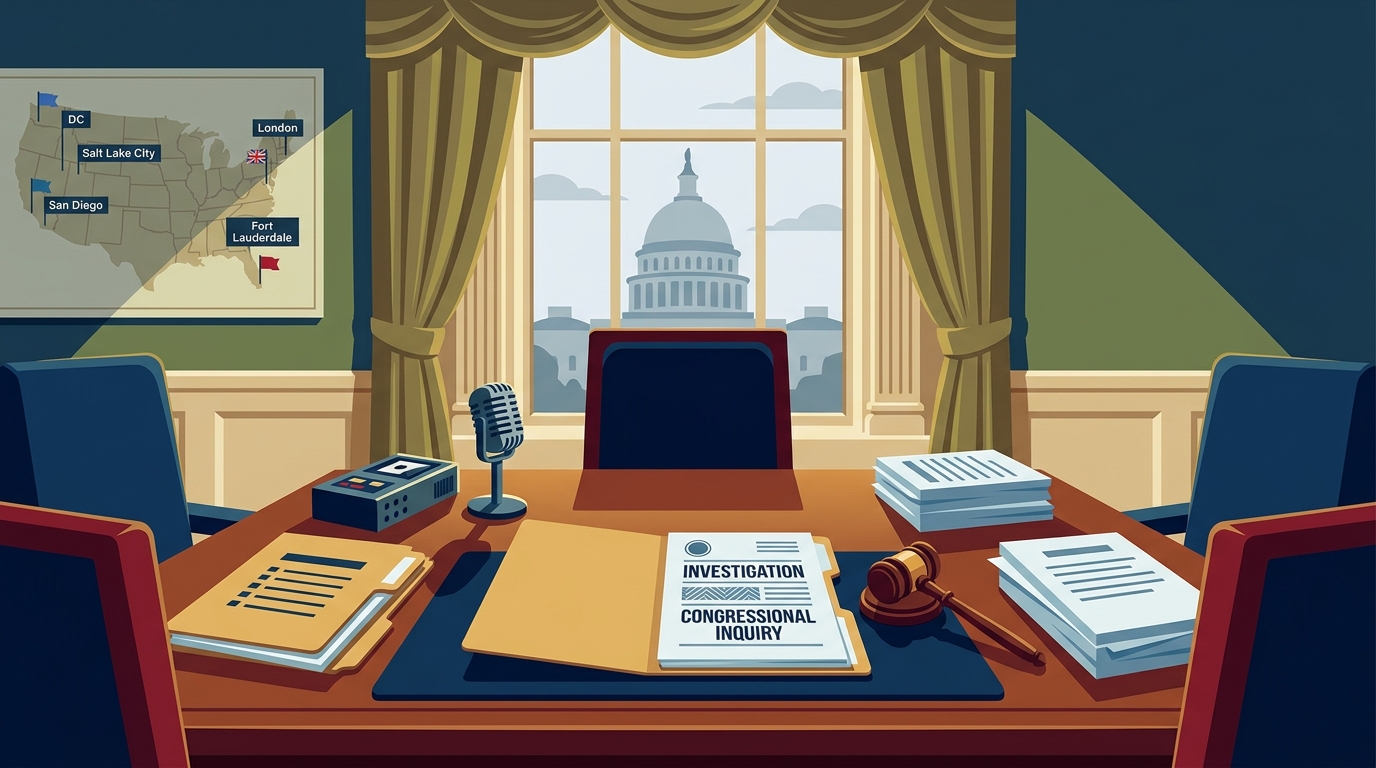
While a DC presence is vital, the firm should also have the operational capacity to support clients across the country and internationally. Kronus Communications maintains offices in Salt Lake City, San Diego, Fort Lauderdale, Washington DC, and London. This global footprint allows for 24/7 coverage and the ability to manage complex, multi-jurisdictional crises without delay.
Managing Media Fallout During Government Investigations
Government investigations, whether by the Department of Justice, the SEC, or other federal agencies, often trigger immediate media attention. The challenge is not just the investigation itself, but the narrative that forms around it. Government investigation is a formal process by which a regulatory or law enforcement agency examines an individual or organization for potential violations of law or regulation. Media fallout during these periods can be severe, often outpacing the actual legal proceedings.
Speed of Assessment and Response
The difference between a survivable crisis and a permanent reputational damage is rarely the severity of the situation. It is the speed of assessment and the precision of the response. In the first hours, the firm must assess the exposure, identify the narrative risk, and provide senior counsel. Crisis communications that holds up under pressure requires the discipline to resist the urge to over-respond. Saying the right thing, and nothing more, at exactly the right moment is the core of effective management.
Legal-Communications Alignment
One of the most common mistakes in crisis management is a disconnect between legal counsel and communications teams. Statements made by PR professionals can inadvertently compromise legal positions. A competent firm ensures alignment between communications and legal counsel. Every public statement, from holding statements to social media responses, is drafted, reviewed, and deployed with precision to ensure consistency across every channel.
Controlled Messaging and Statement Development
During an investigation, the organization must control its messaging without appearing evasive or defensive. This involves developing a consistent narrative that acknowledges the situation while protecting the organization's long-term reputation. The firm should manage all external communications, including press releases, social media responses, and internal communications. This ensures that nothing is left to chance and that the message remains consistent as the situation evolves.
Navigating Congressional Inquiries and Hearings
Congressional inquiries and hearings present a unique set of challenges. Unlike administrative investigations, congressional proceedings are public, political, and often adversarial. Congressional inquiry is an investigation conducted by a committee or subcommittee of the U.S. Congress to examine issues of public policy, government operations, or the conduct of individuals or organizations. The media coverage of these events is intense, and the narrative can shift rapidly based on political dynamics.
Preparation and Media Training
Executives and witnesses must be thoroughly prepared for the scrutiny of congressional hearings. This includes media training that focuses on delivering clear, concise, and consistent messages under pressure. The firm should work with legal counsel to ensure that the witness understands the boundaries of their testimony and the potential implications of their responses. Preparation is not just about what to say, but how to say it, including body language, tone, and pacing.
Narrative Intelligence and Early Signal Detection
By the time a story breaks in a major outlet, it has often already been building in digital spaces. Narrative intelligence is the discipline of understanding how stories develop, spread, and harden across digital platforms before they reach mainstream visibility. In the context of congressional inquiries, this means monitoring the digital environment to identify early signals of reputational risk. This proactive approach allows the firm to see a story taking shape, who is pushing it, and how fast it is spreading, while there is still time to act.
Post-Hearing Reputation Management
The aftermath of a congressional hearing is just as critical as the event itself. Search results, persistent content, and algorithmic memory continue to shape how an organization is perceived long after the original story has faded. Digital reputation management is essential for addressing the long-term impact of the hearing. This involves identifying and addressing the search results and related search terms that are distorting how the organization appears online. The goal is to shift what surfaces when someone searches the organization's name, ensuring that the narrative reflects the full context of the situation.
Comparing Crisis Communication Approaches
Not all crisis communication firms operate with the same level of strategic depth. The table below compares key capabilities that distinguish senior-led firms from traditional agencies.
| Capability | Traditional Agency | Senior-Led Strategic Firm |
|---|---|---|
| Team Structure | Junior account managers with senior oversight | Senior specialists who assess and execute |
| Response Speed | Standard business hours, delayed response | Immediate activation, 24/7 availability |
| Legal Alignment | Often separate from legal counsel | Integrated with legal communications |
| Narrative Intelligence | Reactive media monitoring | Proactive early signal detection |
| Geographic Reach | Local or regional focus | Global offices and international support |
Key Takeaways
- Senior leadership is critical. The people assessing the crisis must be the same people executing the response to avoid information loss.
- Speed determines outcome. The first 24 hours of a government investigation or congressional inquiry set the tone for the long-term narrative.
- Legal-communications alignment is non-negotiable. Statements must be consistent with legal positions to avoid compromising the organization's standing.
- Narrative intelligence is proactive. Monitoring digital spaces allows firms to see stories forming before they reach mainstream visibility.
- Post-crisis reputation management is essential. Addressing search results and persistent content ensures that the narrative reflects the full context of the situation.
Frequently Asked Questions
What is the role of a crisis communications firm during a government investigation?
A crisis communications firm manages the public response to a government investigation. This includes assessing the narrative risk, developing controlled messaging, and ensuring alignment with legal counsel. The goal is to protect the organization's reputation while the investigation proceeds.
How does a firm handle media fallout during a congressional inquiry?
The firm prepares executives and witnesses for media scrutiny, manages all external communications, and uses narrative intelligence to monitor the digital environment. This ensures that the message remains consistent and that the organization is not caught off guard by shifting narratives.
Why is senior-led team structure important in crisis communications?
Senior-led teams ensure that the people assessing the situation are the same people executing the response. This eliminates the risk of information loss during handoffs, which is critical when a story is moving quickly and the stakes are high.
What is narrative intelligence in the context of crisis management?
Narrative intelligence is the discipline of understanding how stories develop, spread, and harden across digital platforms before they reach mainstream visibility. It allows firms to identify early signals of reputational risk and act before the story breaks in major outlets.
How does a firm ensure alignment between communications and legal counsel?
The firm works closely with legal counsel to review all public statements and ensure that they are consistent with the organization's legal position. This prevents statements from inadvertently compromising the organization's standing during an investigation or inquiry.
What is the difference between crisis communications and digital reputation management?
Crisis communications focuses on the immediate response to a high-stakes event, while digital reputation management addresses the long-term impact of that event on the organization's online presence. Both are essential for a comprehensive strategy that protects the organization's reputation before, during, and after a crisis.
Does Kronus Communications provide legal advice?
No, Kronus Communications does not provide legal advice or act as legal counsel. The firm works in alignment with legal counsel to ensure that communications are consistent with the organization's legal position, but it does not offer legal representation or advice.
Conclusion
Navigating media fallout during government investigations and congressional inquiries requires a partner with deep institutional credibility, senior leadership, and strategic precision. Kronus Communications provides the senior-led crisis communications and narrative intelligence needed to protect your reputation in Washington DC and beyond. To explore whether we are the right fit for your organization, schedule a confidential call with a senior member of our team.